


How Hammock Gear Handles Four-Season Camping
If you've ever spent a night shivering in your tent, waking up with a cold back and a damp sleeping bag, you might wonder if hammock camping is really feasible when temperatures drop. The most common question I hear from backpackers is simple: can hammocks really withstand the winter? The answer is yes, but only if you have the right hammock equipment. Hammock camping year-round isn't just about sturdiness and durability; it's about understanding how heat is lost in a suspended shelter and choosing equipment that addresses this physics. Buyers looking for winter hammock camping solutions need to understand that the first step to success is insulation, the second is shelter, and the last is suspension. Master these three points, and you'll sleep warmer than on the ground.
The Physical Dilemma: Why Hammocks Get Cold
Most ground campers don't realize this until their first cold night in a hammock: when you're lying on your sleeping pad in a tent, you flatten the insulation layer beneath you, but at least you have an insulating barrier. In a hammock, the exposed bottom allows cold air to circulate freely beneath you. Furthermore, any insulating material you lie on will be compressed, ultimately leading to what experienced hammock campers call "cold butt syndrome." This is a real way of losing heat, making a night that would normally be only 40 degrees Fahrenheit incredibly unbearable.
The solution lies in using hammock insulation specifically designed for suspended sleeping. Kaisi Outdoor's hammock bases, suspended beneath the hammock, create a static layer of air that locks in body heat without being compressed by your weight. This isn't just about comfort; it's about physics. A proper hammock base can keep you comfortable in temperatures well below freezing, while a sleeping pad alone will leave you shivering. Unlike ground camping, which requires constantly battling heat conduction, a hammock with a proper base completely eliminates this heat loss pathway.
Insulation System: Dynamic Design of Base and Top Mats
I've found that the most common mistake novice year-round hammock campers make is trying to apply ground camping gear directly to a hammock. Sleeping bags are compressed in a hammock, losing most of their insulating properties. Sleeping pads tend to slip and don't fully cover the shoulders. Kaisi Outdoor solves this problem with a complementary insulation system designed specifically for hammock camping.
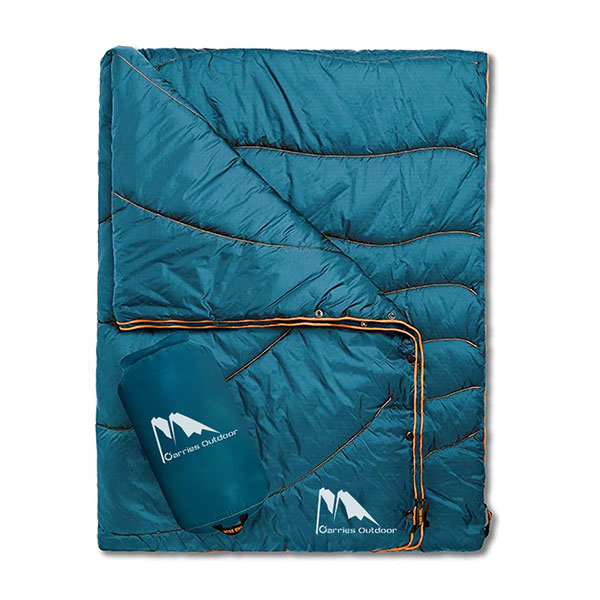
It works as follows: The base pad is attached to the hammock's suspension system, conforming to the curves of the hammock's bottom. The top pad replaces the sleeping bag, unfolding like a blanket, providing foot space and a snug fit around the shoulders. Together, they create a highly efficient insulating microenvironment. The base pad absorbs convective heat from below, while the top pad absorbs radiant heat from above. This two-piece system is more efficient than any ground sleeping bag system because neither component is compressed by body weight.
Independent testing shows that, with the right base and top pad combination, its insulation performance can even surpass that of sleeping bag systems designed for temperatures 15-20 degrees Celsius higher. The reason is simple: sleeping bags significantly reduce their insulation performance when compressed, while hammock insulation systems maintain the loft of all surfaces.
Rayet and Weather Protection: Your Outer Layer
The insulation layer keeps you warm, while the hammock keeps you dry and blocks the wind. Year-round camping requires a winter tarp with specific features: a larger coverage area, a steeper angle, and secure tethering points. A summer tarp that barely covers the hammock's ridge will leave you exposed to wind, snow, and heavy rain.
Kaisi Outdoor's year-round tarps feature what we call "Storm Mode." The hexagonal or winter models feature folding doors that create enclosed vestibules at both ends. This not only blocks wind but also creates a microclimate, locking in radiant heat and preventing snow buildup on the insulation. A tarp is your first line of defense against harsh weather, and a proper winter tarp is essential in sub-zero camping conditions.
Key specifications for winter tarps include: silicone-impregnated fabric for water resistance; reinforced tethering points to withstand snow loads; and a ridge length extending at least 12 inches beyond the hammock at both ends. Kaisi Outdoor tarps meet these specifications, and their materials are tested to withstand sustained strong winds and heavy snowfall.
Suspension systems and accessories: Easily overlooked factors
This section covers details that most recreational hammock campers tend to overlook.
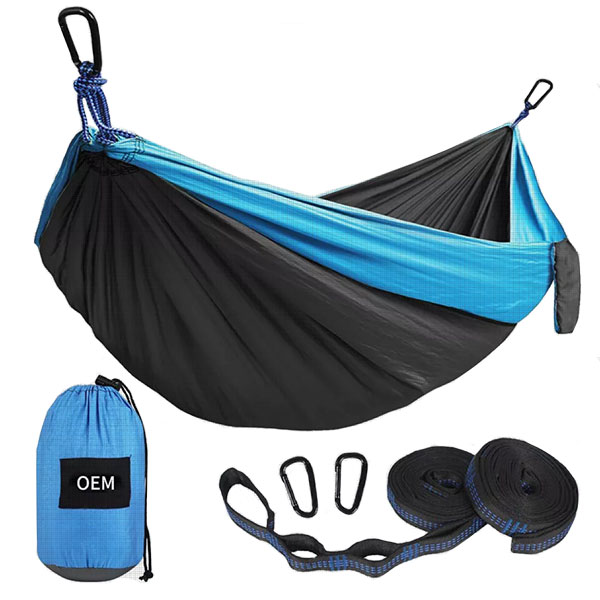
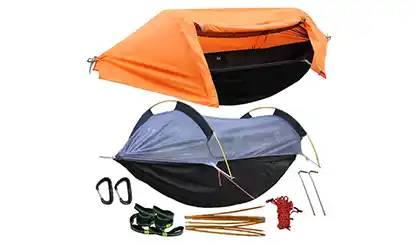
Never underestimate the importance of your suspension system until it fails: suspension systems perform drastically in cold weather. Webbing and ropes absorb moisture and freeze. Cold fingers make adjusting metal fittings difficult. Kaisi Outdoor addresses this by optimizing its low-temperature suspension components, including waterproof daisy-chain webbing, gloved aluminum fasteners, and continuous loops that maintain strength in cold conditions.
The suspension system is the mechanical foundation of the entire gear. If it fails, you could fall to the ground in winter, which can be extremely dangerous. Kaisi Outdoor uses UV-resistant polyester webbing that won't stretch or deform even in wet conditions; and anodized aluminum fittings that are corrosion-resistant and resistant to freezing. The tree straps are wide enough to protect the bark and ensure a secure hold even in freezing conditions.
Modular: Customize Your Seasonal Gear
Not every seasonal trip requires the same hammock gear. A transitional October trip is vastly different from a wintery January adventure. Kaisi Outdoor emphasizes modular hammock systems, allowing you to adjust warmth and protection to suit different needs. A three-season basepad plus a windproof bag is sufficient for chilly autumn nights. For trips below freezing, lighter basepads can be layered on top of thicker ones, creating a multi-layered insulation system similar to a backpacker layering clothing.
This customizable design means you don't need to buy duplicate gear for every temperature range. The same hammock body can be used year-round; simply replace the insulation and awning. This reduces overall investment while maintaining flexibility. For campers who frequently traverse different climates or seasons, the modular design is not only convenient but also economical.
Why Invest in Four-Season Hammock Gear
If you're considering building a four-season hammock setup, consider these points: a high-quality hammock insulation and winter tarp cost comparable to a high-end four-season tent, but offer greater versatility. The same hammock gear can be disassembled into lightweight summer gear in minutes. You're not buying single-purpose equipment, but a system adaptable to various environments throughout the year.
Kaisi Outdoor designs its gear with this adaptability in mind. Our base is made with high-loft down, compressible to a tiny volume for summer travel and fully fluffy for winter. Our tarpaulin features multiple tethering points for ventilation in summer and wind protection in winter. We've considered extreme conditions, because it's precisely these extreme conditions that differentiate a comfortable camping experience from a survival challenge. From stitching that remains flexible even below freezing to zippers that slide smoothly even with gloves on, all materials are carefully selected to ensure durability in extreme temperatures.
Want a warm and comfortable sleep in any season? Kaisi Outdoor helps you create a hammock system suitable for all seasons, perfectly matching your style, climate, and comfort needs.